
Why Colleen Hoover’s ‘Verity’ Movie Adaptation Starring Anne Hathaway and Dakota Johnson Is Dividing Audiences
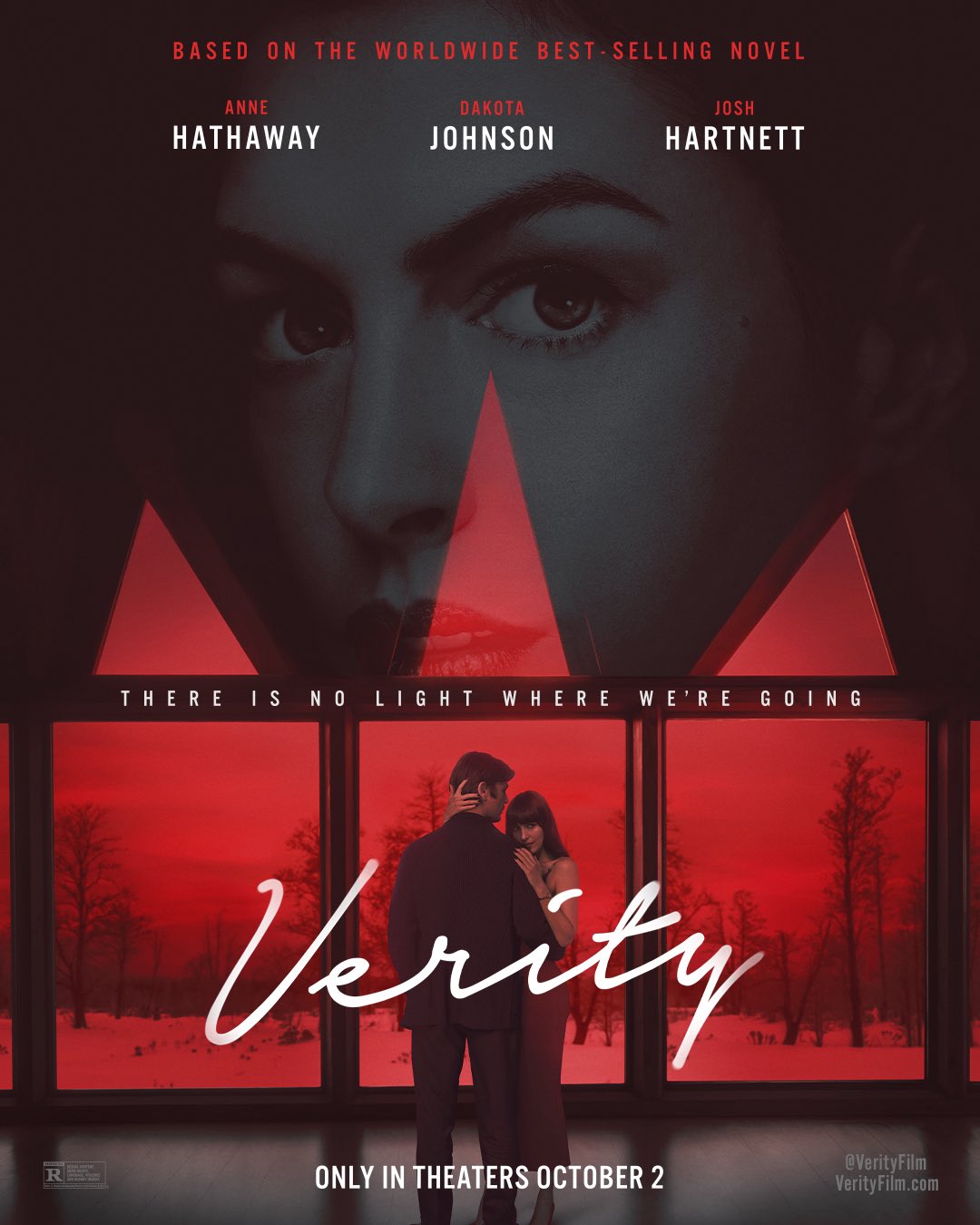
Colleen Hoover's Darkest Romance Makes Its Haunting Leap to The Big Screen
If you spent the last few years on BookTok, you already know that Colleen Hoover's 2018 psychological romantic thriller Verity was never designed for the faint of heart. Directed by Michael Showalter (fresh off The Idea of You), Amazon MGM Studios and Warner Bros.' splashy theatrical release of Verity (2026) has finally arrived in cinemas worldwide, pairing Academy Award winner Anne Hathaway as the incapacitated mystery novelist Verity Crawford alongside Dakota Johnson as struggling ghostwriter Lowen Ashleigh.
Rounding out the claustrophobic household is Josh Hartnett as Jeremy Crawford, the grieving husband caught between profound tragedy and forbidden romantic attraction. While literary purists have debated the book's shocking manuscript-versus-letter finale for years, Showalter's cinematic take plunges headfirst into the psychological warfare, body horror nuances, and scandalous domestic secrets that made the novel a global sensation.
A Dangerous Triangle: Anne Hathaway and Dakota Johnson Elevate Gothic Suspense
The premise wastes zero time pulling millennials into its web of deceit: Lowen Ashleigh (Johnson), teetering on financial ruin after her mother's death, accepts a life-altering contract from Jeremy Crawford (Hartnett) to complete the remaining books of a blockbuster thriller series started by his comatose wife, Verity (Hathaway). As Lowen sifts through Verity's chaotic office notes, she discovers an unpublished autobiographical manuscript entitled So Be It—a confession containing bone-chilling revelations about the Crawford family's twin daughters, Chastin and Harper.
What elevates the film beyond standard airport-novel thrillers is the magnetic performance dynamic between Hathaway and Johnson. Hathaway delivers a chilling, physically demanding performance that vacillates between catatonic fragility and sinister, calculated villainy without uttering more than a handful of direct lines. Johnson, leaning into the vulnerable cynicism she perfected in The Lost Daughter, serves as the ultimate audience surrogate as her character questions her own sanity within the sprawling Vermont estate.
The Controversial Ending: Why Millennials Are Debating the Big Screen Twist
Much like David Fincher's 2014 adaptation of Gone Girl starring Rosamund Pike and Ben Affleck, Verity thrives on moral ambiguity. Showalter and screenwriter Nick Antosca intentionally preserve the harrowing debate that divided millions of readers: Was Verity Crawford truly a psychopathic monster whose manuscript documented genuine domestic atrocities, or was she a desperate mother who wrote a fictitious exercise in grief and villain therapy to save her marriage?
- The Performances: Anne Hathaway and Josh Hartnett bring intense emotional gravity to characters that could easily have slipped into melodrama.
- Gothic Production Design: Cinematographer Florian Hoffmeister frames the Crawford home like an atmospheric haunted house straight out of a classic Hitchcock thriller.
- The Ending Debate: Online forums and BookTok are already setting box-office discussions ablaze over whether Team Manuscript or Team Letter triumphs in the final cut.
For millennial moviegoers starved for glossy, grown-up psychological thrillers with genuine star power and zero CGI superhero fatigue, Verity delivers an intoxicating, nerve-shredding ride that will keep your group chat arguing long after the credits roll.

Post a Comment for "Why Colleen Hoover’s ‘Verity’ Movie Adaptation Starring Anne Hathaway and Dakota Johnson Is Dividing Audiences"