
Warner Bros. Discovery Is Officially Splitting Into Two Companies — Here's What It Means for HBO Max, DC Studios, and CNN
Warner Bros. Discovery Is Officially Splitting Into Two Companies — Here's What It Means for HBO Max, DC Studios, and CNN
The biggest media shakeup of the decade is happening. Warner Bros. Discovery (NASDAQ: WBD) has officially confirmed it's splitting into two separate publicly traded companies — and the implications for your streaming subscriptions, movie releases, and TV lineup are massive.
Here's the short version: Warner Bros. will handle all the streaming and studio stuff (think HBO Max, DC Studios, Warner Bros. Pictures), while Discovery Global takes over the cable networks (CNN, TNT, TBS, Cartoon Network, HGTV, and Discovery+). Both companies will trade independently on the stock market.
Who Gets What in the Split?
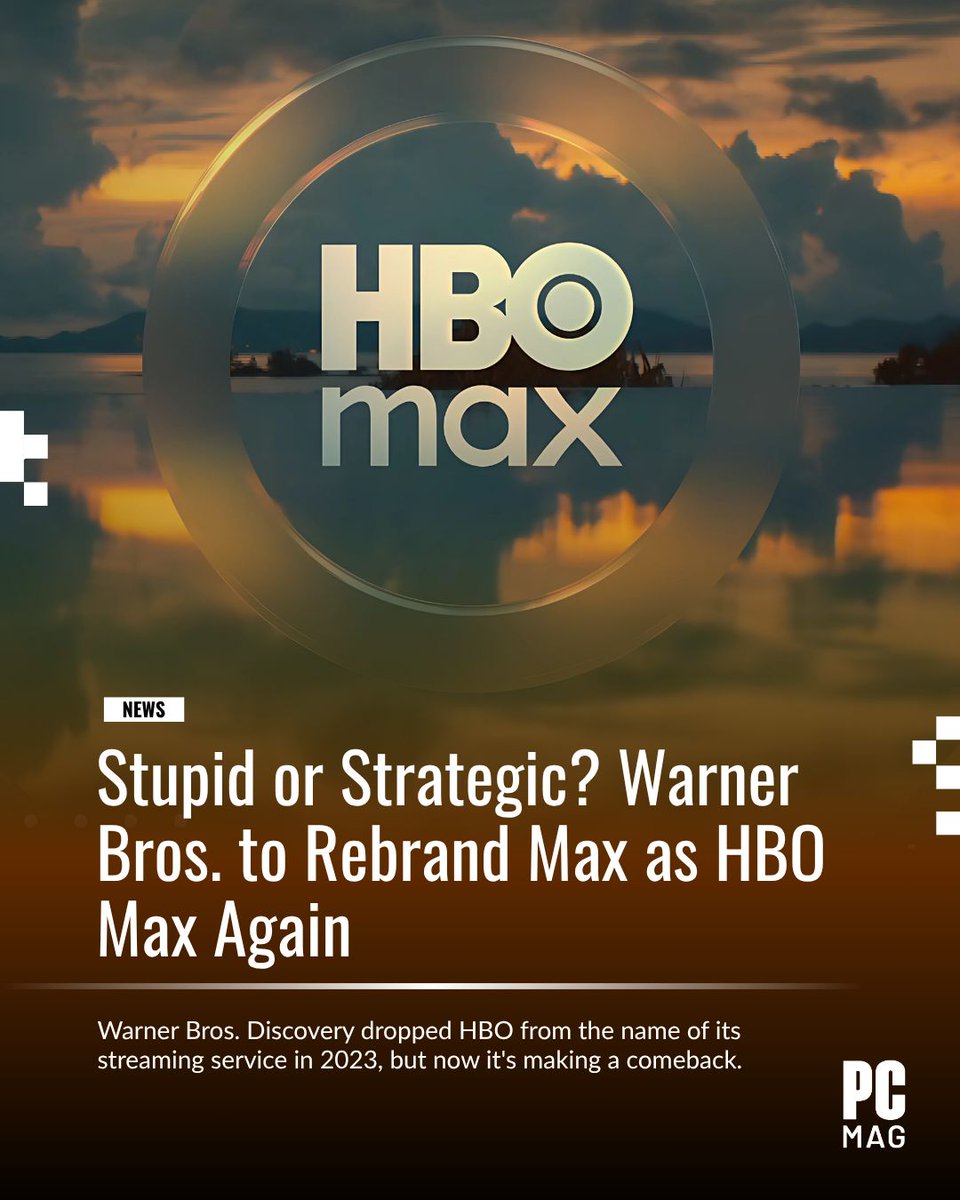
The split, announced in June 2025 and now moving forward, divides WBD's empire with surgical precision. David Zaslav, the current WBD CEO, will lead Warner Bros. — the streaming and studios powerhouse. That means he's keeping HBO Max (currently in 77 markets with more launches planned for 2026), DC Studios under James Gunn and Peter Safran, the Warner Bros. film and TV studios, and the legendary film library that includes everything from The Dark Knight to Harry Potter.
On the other side, Gunnar Wiedenfels (currently WBD's CFO) will lead Discovery Global — the cable and linear TV giant. That includes CNN (under CEO Mark Thompson), TNT Sports, TBS, Cartoon Network, Food Network, HGTV, and the profitable Discovery+ streaming service. The international TV channels also fall under this umbrella.
Why Is This Happening Now?
The timing isn't random. WBD has been under enormous pressure since its 2022 merger, carrying massive debt while trying to compete with Netflix, Disney+, and Amazon Prime Video. By splitting into two companies, each entity can focus on its strengths without dragging the other down. Warner Bros. can pour resources into growing HBO Max globally and competing in the streaming wars, while Discovery Global can maximize profits from its cable empire and linear TV audiences.
There's also the looming Paramount Skydance merger to consider. Paramount's $110.9 billion acquisition bid for WBD has already drawn opposition from 12 U.S. state attorneys general who fear the deal could squeeze local movie theaters and reduce competition. The split could complicate — or simplify — that whole saga.
For millennials who grew up watching Friends on TBS, bingeing Game of Thrones on HBO, and catching DC movies in theaters, this split means the content isn't going anywhere. But the way you access it is about to change. HBO Max will likely become even more of a premium streaming destination, while Discovery Global double-downs on live sports, news, and unscripted content.
Bottom line: the streaming landscape just got a whole lot more interesting. Whether you're Team HBO Max or Team Discovery+, 2026 is shaping up to be the year the media industry rewrote its own playbook.

Post a Comment for "Warner Bros. Discovery Is Officially Splitting Into Two Companies — Here's What It Means for HBO Max, DC Studios, and CNN"